
+918048090758

Currently it only shows your basic business info. Start adding relevant business details such as description, images and products or services to gain your customers attention by using Boost 360 android app / iOS App / web portal.

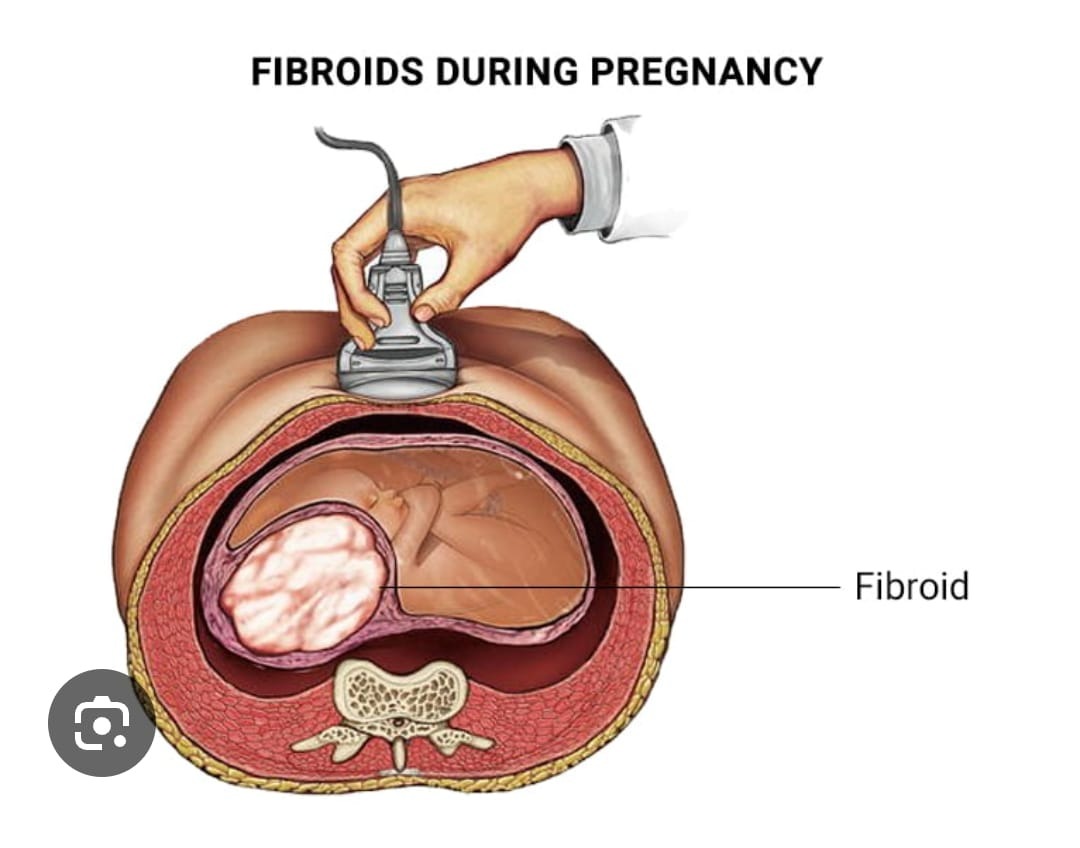
Fibroids during pregnancy are quite common, and in most cases babies grow normally. Still, the effects can vary depending on the size, number, and location of the fibroids. Here’s a clear, balanced overview: What are fibroids? Fibroids are non-cancerous growths of the uterus made of muscle and tissue. Many people have them without symptoms. Effects on baby’s growth ✅ Most of the time Baby’s growth is normal Fibroids do not usually affect the placenta or baby directly Many pregnancies with fibroids go to full term with healthy babies ⚠️ When fibroids can affect growth Growth issues are more likely if fibroids are: Very large Multiple Located inside the uterine cavity or near the placenta Possible effects include: Restricted space in the uterus (rarely leading to slower growth) Placental issues if a fibroid interferes with blood flow Increased monitoring for fetal growth restriction (FGR) in higher-risk cases Other pregnancy effects (not growth-related) Fibroids may increase the chance of: Pain (especially in the 2nd or 3rd trimester) Preterm labor Breech position (baby not head-down) Cesarean delivery How doctors monitor this If fibroids are present, healthcare providers may: Do extra ultrasounds to check baby’s growth Monitor placental position and blood flow Track symptoms like pain or contractions When to seek medical advice urgently During pregnancy, contact a healthcare provider if there is: Severe or persistent abdominal pain Vaginal bleeding Regular contractions too early Sudden decrease in baby’s movements (later in pregnancy)


