
+918048090758

Currently it only shows your basic business info. Start adding relevant business details such as description, images and products or services to gain your customers attention by using Boost 360 android app / iOS App / web portal.

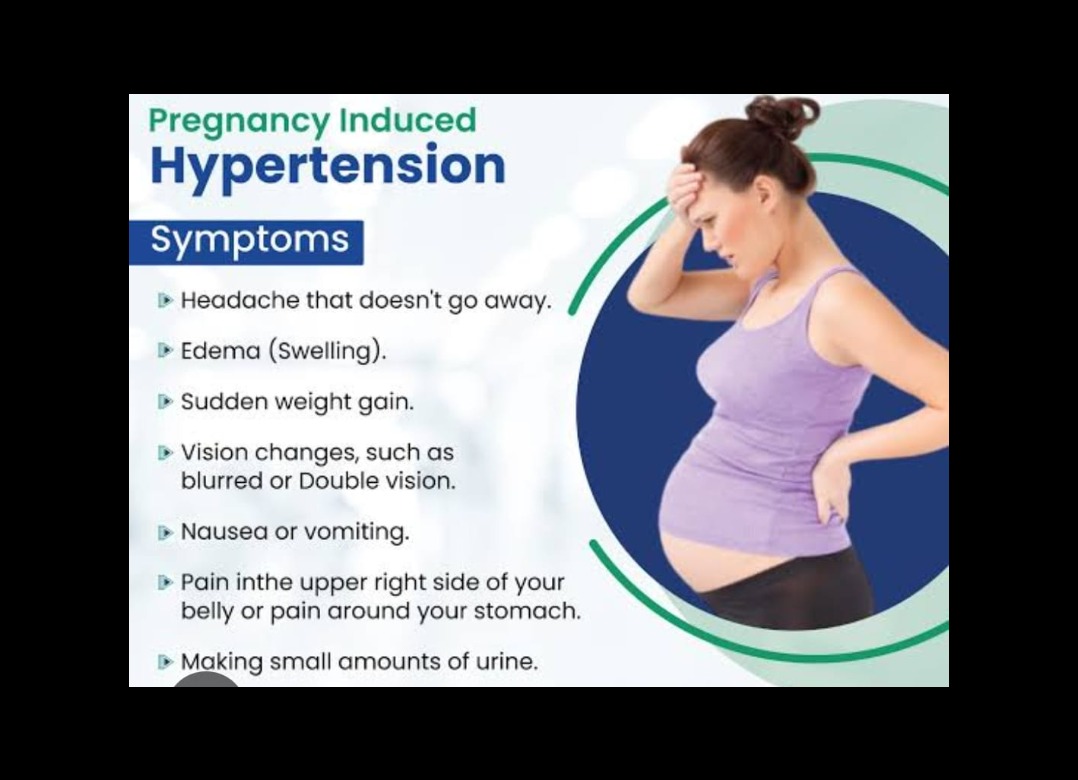
Pregnancy-induced hypertension (PIH)—also called gestational hypertension—is high blood pressure that starts after 20 weeks of pregnancy in someone who previously had normal BP. What it is BP 140/90 mmHg on two readings (at least 4 hours apart) No protein in the urine and no signs of organ damage (that’s what separates it from preeclampsia) Why it matters PIH can stay mild, but it can progress to preeclampsia, which is more serious for both parent and baby. That’s why close monitoring is key. Common symptoms Often none (it’s frequently picked up at routine visits). If symptoms do appear, they may include: Headache Swelling of face or hands Blurred vision Sudden weight gain Management Depends on how high the BP is and how far along the pregnancy is: Frequent BP checks Urine tests and blood work Ultrasounds to monitor baby’s growth Lifestyle measures (rest, reduced salt if advised) Medication if BP is persistently high Delivery is the definitive treatment—timing depends on severity and gestational age After delivery BP usually returns to normal within 6–12 weeks Having PIH increases the risk of high blood pressure later in life, so long-term follow-up matters If you want, tell me: how many weeks pregnant you are, and whether this is for studying, personal experience, or someone you’re caring for


