
+918048090758

Currently it only shows your basic business info. Start adding relevant business details such as description, images and products or services to gain your customers attention by using Boost 360 android app / iOS App / web portal.

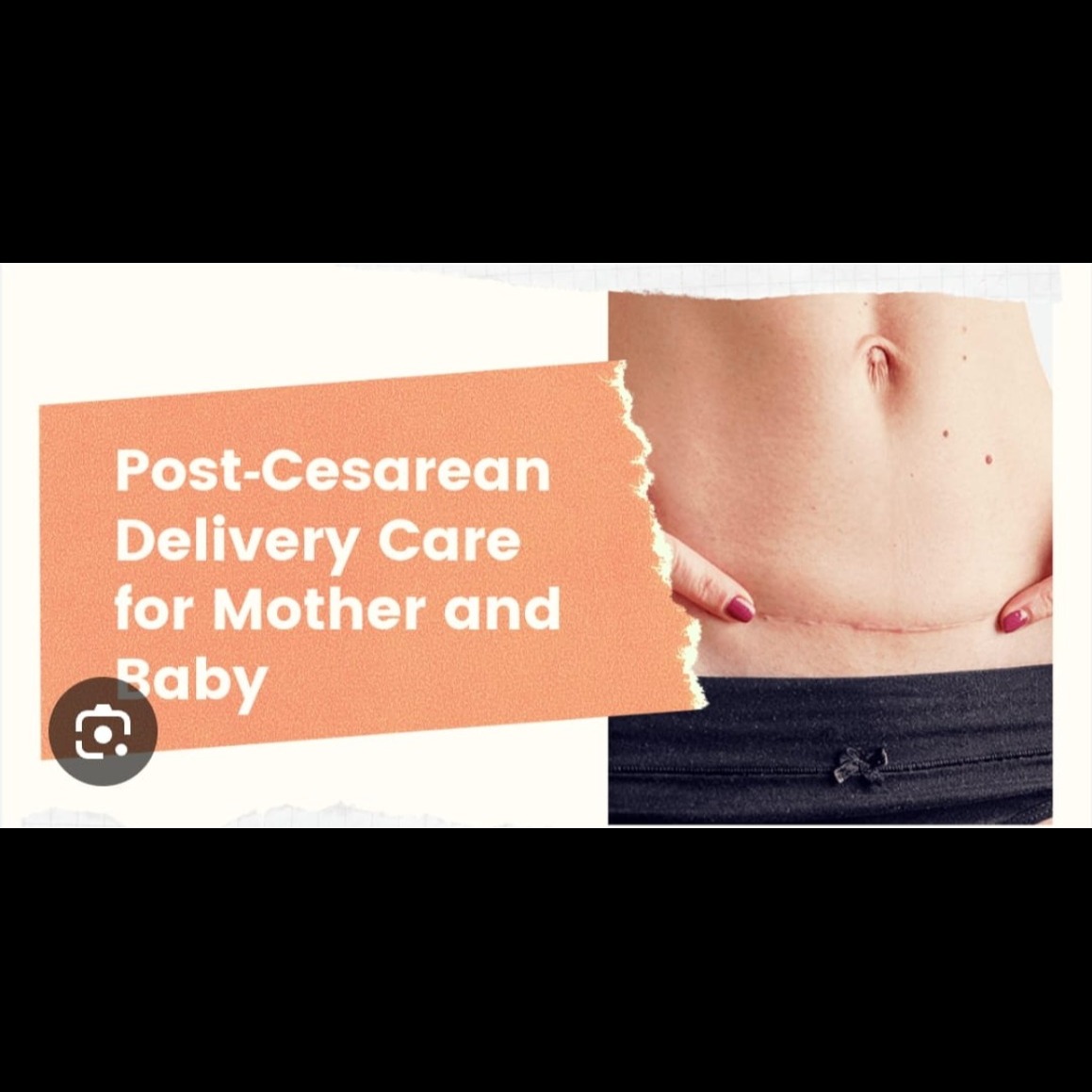
After an LSCS (C-section), abdominal distension (bloating) is pretty common, especially in the first few days. It usually happens because of gas, slow bowel movement after surgery, pain medicines, or reduced mobility. Here’s how to take care of yourself 👇 🌸 Care for Abdominal Distension after LSCS 1. Early gentle movement Start slow walking as advised by your doctor Helps pass gas and wakes up the intestines Avoid sudden movements or strain 2. Diet tips Start with light, easily digestible food Warm fluids, soup, dal, rice, khichdi Avoid initially: Cabbage, cauliflower, beans Carbonated drinks Fried or very spicy foods Eat small, frequent meals 3. Hydration Drink plenty of warm water Helps bowel movement and reduces gas 4. Bowel care Don’t ignore the urge to pass stool Stool softeners or mild laxatives may be prescribed—take only if advised 5. Pain control Take prescribed pain medicines on time Pain can make you avoid moving, which worsens bloating 6. Positioning Lying on your left side or bending knees slightly can help release gas 7. Avoid strain No heavy lifting Support your abdomen (with hands or pillow) when coughing or getting up 🚨 When to see a doctor urgently Contact your doctor if you have: Severe or increasing abdominal pain Persistent vomiting No passage of gas or stool for >48 hours Fever Increasing abdominal swelling with tightness Redness, discharge, or pain at the incision site 🌼 General Care after LSCS Keep the wound clean and dry Get adequate rest and nutrition Breastfeed as advised (it also helps uterine contraction) Attend all postnatal follow-ups If you want, tell me: How many days post-surgery you are Whether you are passing gas/stool Any pain or fever


