
+918048090758

Currently it only shows your basic business info. Start adding relevant business details such as description, images and products or services to gain your customers attention by using Boost 360 android app / iOS App / web portal.

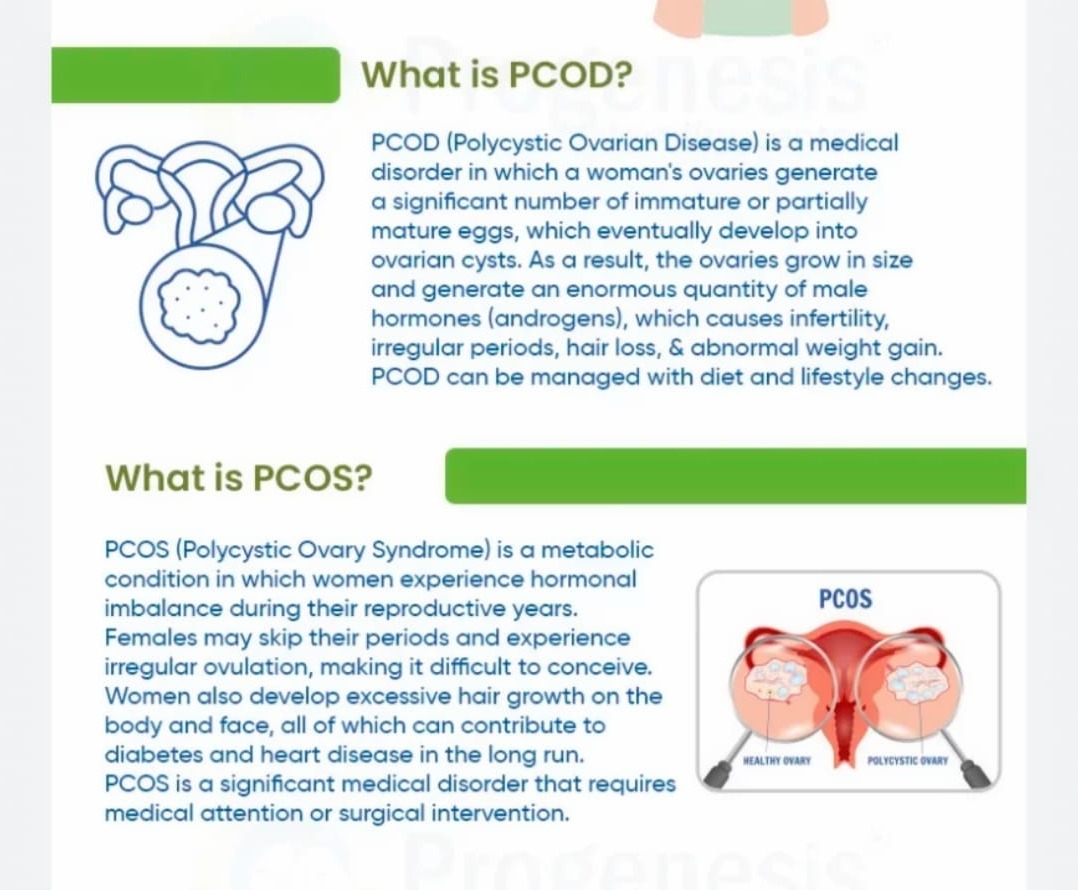
Lifestyle & Diet – First-Line and Most Important Why it matters: PCOS/PCOD is closely linked with insulin resistance, which drives hormonal imbalance. Improving insulin sensitivity often reduces symptoms significantly. ✅ Diet Tips Eat low-glycemic and whole foods: whole grains, vegetables, legumes, lean protein. Avoid refined sugars and processed carbs (white bread, sweets, sodas). Include anti-inflammatory foods: fatty fish (salmon), berries, nuts, seeds. Some people find seed cycling (flax, pumpkin, sunflower, sesame seeds timed to cycle) helps hormonal balance — practice needs consistency over cycles. ✅ Exercise 150+ minutes/week of moderate activities — brisk walking, cycling, swimming. Strength training 2–3 times weekly improves insulin sensitivity. ✅ Weight Management & Sleep Losing 5–10% of body weight often restores ovulation and improves cycles. Aim for 7–8 hours of quality sleep. Poor sleep worsens hormone imbalance. ✅ Stress Reduction Yoga, meditation or mindfulness can help balance stress hormones and support overall treatment. 💊 2. Medical Treatments (Based on Symptoms & Goals) Treatment is individualized — what’s recommended depends on whether you want to regulate cycles, reduce acne/hair growth, improve fertility, or manage metabolic issues. 🔹 Regulate Cycles & Hormones Combined Oral Contraceptives (birth control pills): regulate periods and lower excess androgens (help acne/hair growth). Progestin therapy in cycles can protect the uterus and aid cycle control. Anti-androgens (e.g., spironolactone) may reduce hair growth/acne. 🔹 Improve Insulin Sensitivity Metformin (diabetes drug): helps lower insulin levels and may improve cycles and weight management. 🔹 Fertility-Focused Ovulation induction (e.g., clomiphene citrate, letrozole) for conception. IVF/IUI may be considered if other methods fail. 🔹 Surgical Option (rarely used) Ovarian drilling — a minimally invasive procedure if medications don’t restore ovulation. 🌿 3. Supplements and Natural Supports Some supplements and foods may support metabolic and hormonal balance (always discuss with your doctor before starting): Inositol (Myo- and D-chiro inositol) — supports insulin sensitivity. Omega-3 fatty acids — anti-inflammatory and hormone-balancing benefits. Cinnamon — may help regulate blood sugar. Spearmint tea, flax seeds — may help reduce androgen effects like excess hair growth. 💡 Key Takeaways ✔ There’s no single cure, but symptoms are very manageable. ✔ Lifestyle changes are the foundation — diet, exercise, weight control, sleep, stress reduction. ✔ Medications are tailored to your symptoms and goals (menstrual regulation, fertility, acne/hair issues, insulin resistance). ✔ Natural supports can help but are best used with medical guidance. 🗓 Next Steps If you haven’t already, consider: Consulting a gynecologist/endocrinologist for tailored evaluation. Getting baseline labs (hormones, insulin, glucose, lipids) to personalize treatment. Follow-up monitoring to adjust plan based on results and goals.


